General contractor
Full-service construction and remodeling for residential projects across South Florida.
Explore General contractor
Miami-Dade County sits on porous limestone bedrock with a water table that can rise to within two to four feet of the surface, which directly shapes how foundations, concrete slabs, and drainage systems must be designed and built. The county falls entirely within Florida's High-Velocity Hurricane Zone, meaning roofing, framing, windows, and exterior finishes must meet stricter wind-resistance standards than most of the country. Homes across the county span a wide range of eras, from mid-century concrete block construction in areas like Opa-Locka and Brownsville to newer CBS builds in Doral and Hialeah, and each era brings its own set of repair and renovation demands. Salt-laden air from Biscayne Bay and the Atlantic accelerates corrosion on embedded rebar, metal fasteners, and stucco, making material selection and waterproofing critical on every exterior project.
Miami-Dade, FL
FL County Service Area
Communities we serve
Miami-Dade, FL
General Contractor
Miami-Dade's permit process runs through the county's ePlan digital review system and triggers concurrent review by building, zoning, fire, electrical, and plumbing departments on any significant scope. Simple residential remodels can take two to four weeks for plan review, while larger projects routinely take two to three months or more. Because we handle engineering services in-house, our permit packages arrive with sealed structural calculations already attached, which reduces the back-and-forth that causes most delays.
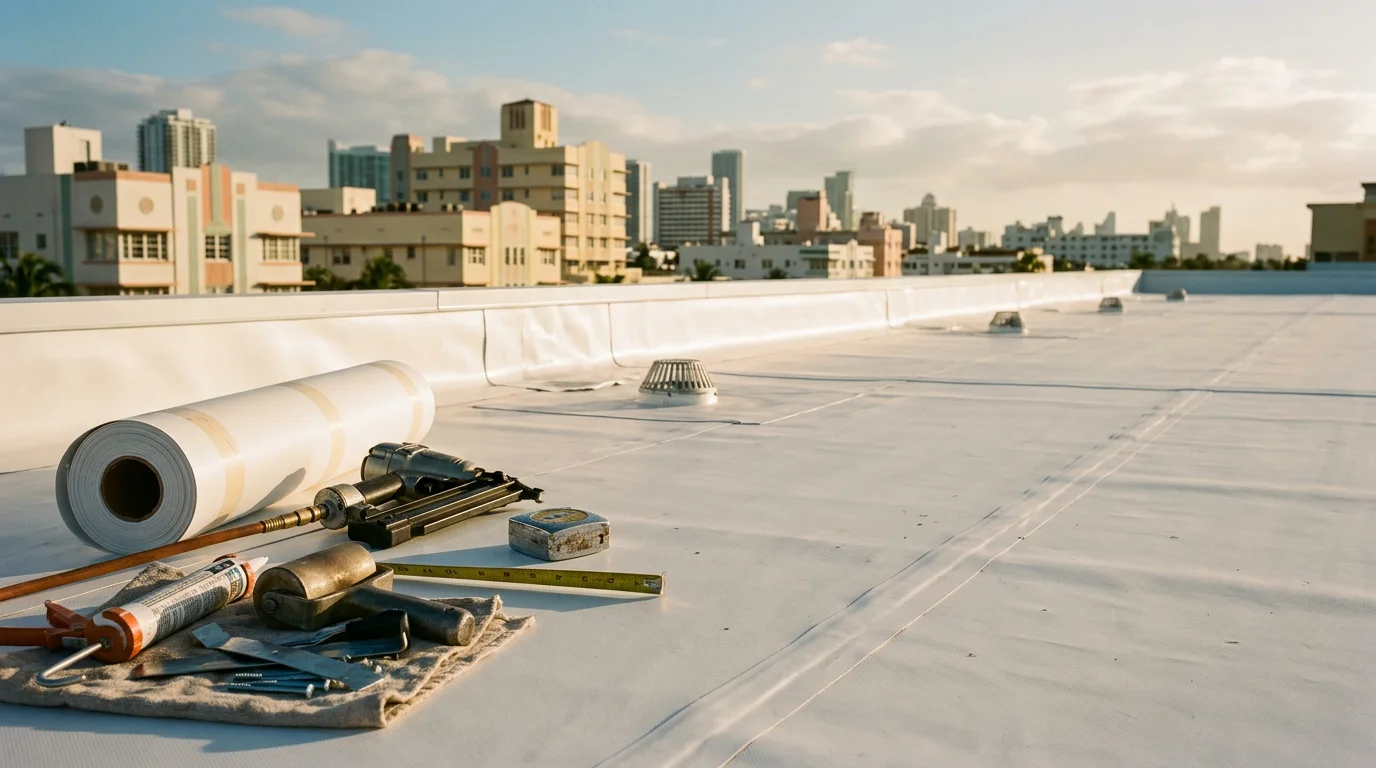
The county's HVHZ designation means roofing permits require Notice of Approval documentation for every product used, along with wind-uplift calculations tied to the specific attachment schedule. A roofing submission that is missing a single product approval gets kicked back, adding weeks to the timeline. We assemble these packages before submission so the first review has everything the plans examiner needs.
Salt air in coastal Miami-Dade neighborhoods corrodes standard fasteners and causes stucco delamination on homes that are only a decade old. On exterior renovations and new construction near the bay or the ocean, we specify corrosion-resistant hardware and apply waterproofing membranes behind stucco systems to stop moisture from reaching the substrate. This is not a standard practice everywhere, but in Miami-Dade it is the difference between a finish that lasts and one that fails in a few wet seasons.
At a glance
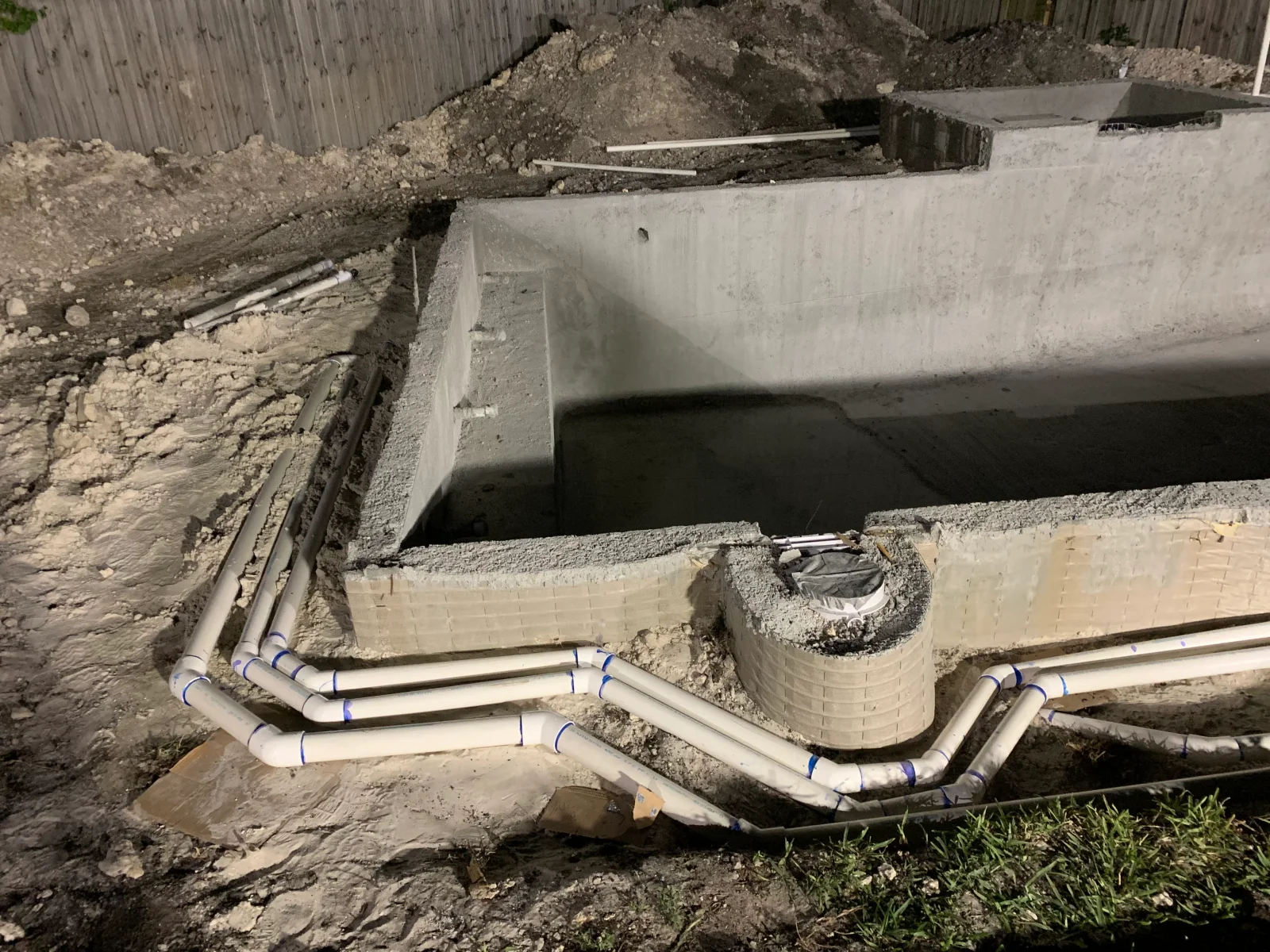
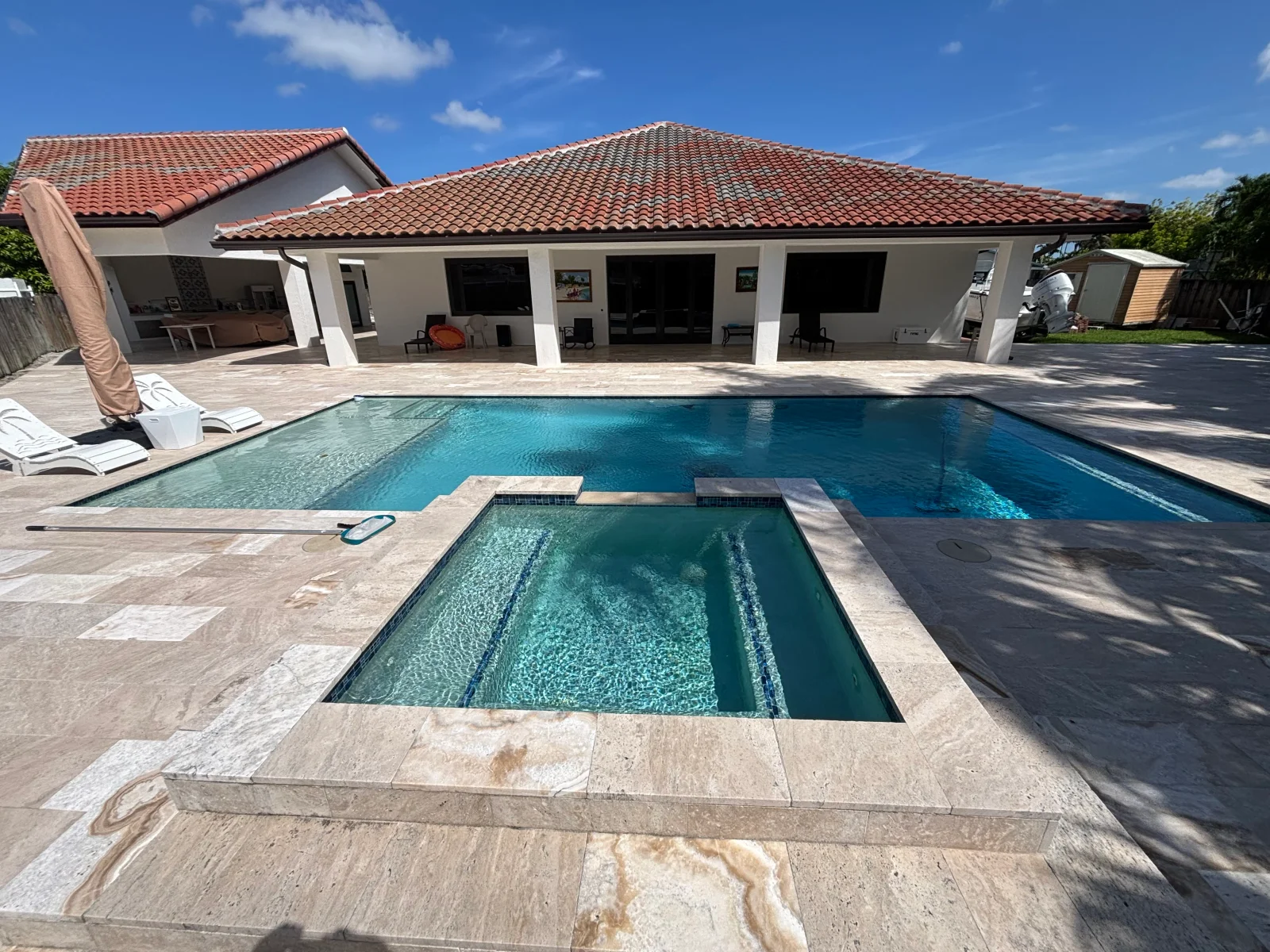
General contracting and home remodeling are the most requested services across Miami-Dade, where aging housing stock in areas like Brownsville and West Miami needs structural updates, electrical panel upgrades, and full interior renovations to meet current Florida Building Code. Roofing services are in constant demand because HVHZ wind-uplift requirements apply to every re-roof, and product approval documentation must accompany every permit submission. Concrete work and framing are shaped by the county's limestone substrate and high water table, which require careful foundation planning on any ground-up build or addition. Our engineering services allow us to handle the structural calculations and sealed plans that Miami-Dade's Building Department requires before a permit can be issued.
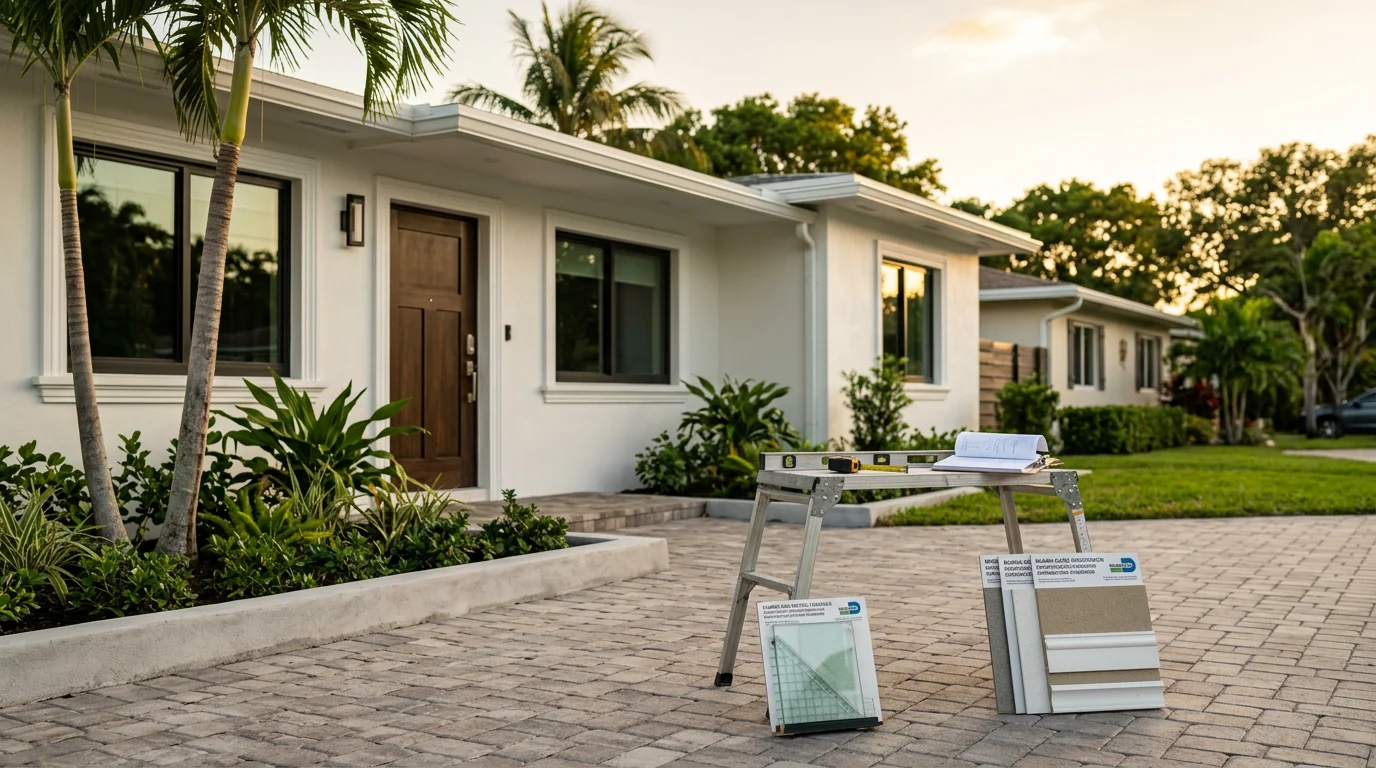
Full-service construction and remodeling for residential projects across South Florida.
Roofing installation, repair, and replacement built for South Florida weather.
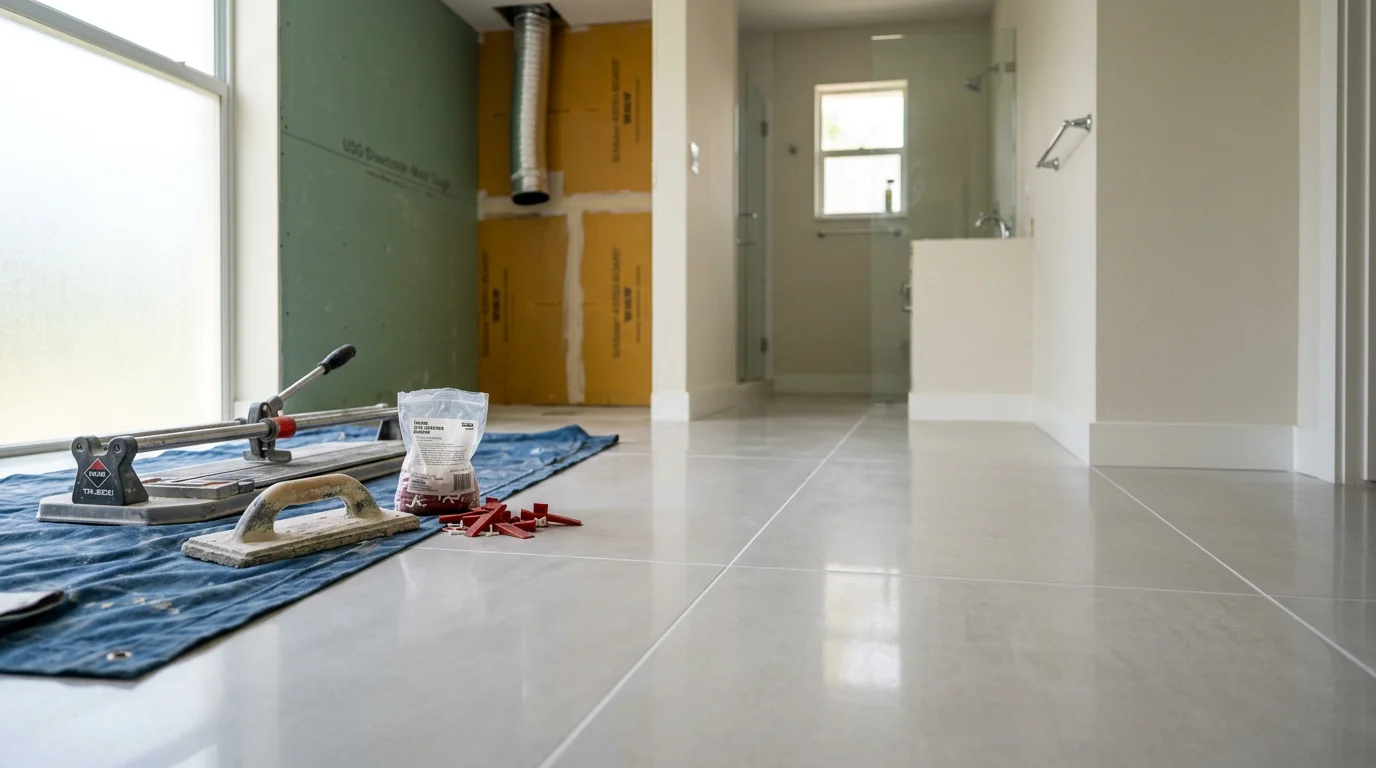
Flooring installation and finishing for kitchens, bathrooms, and living spaces.
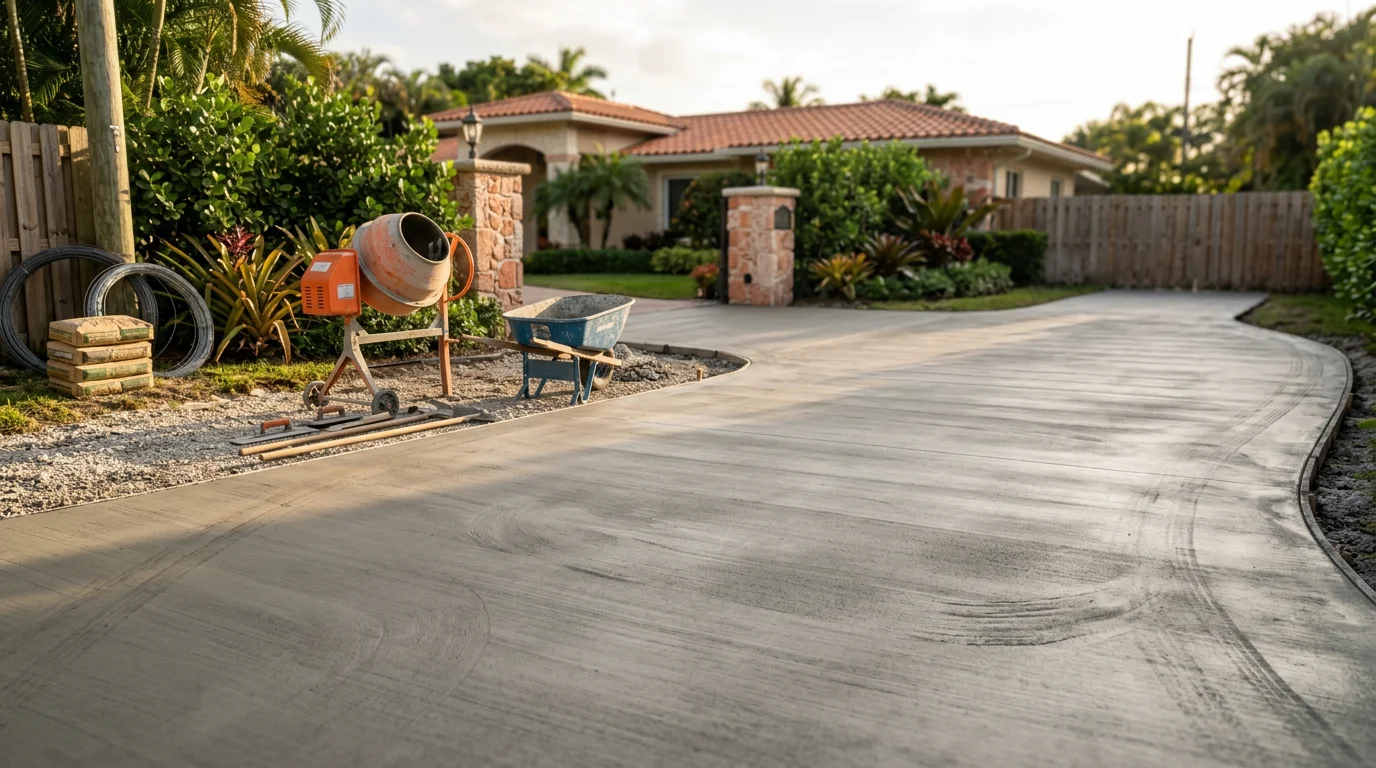
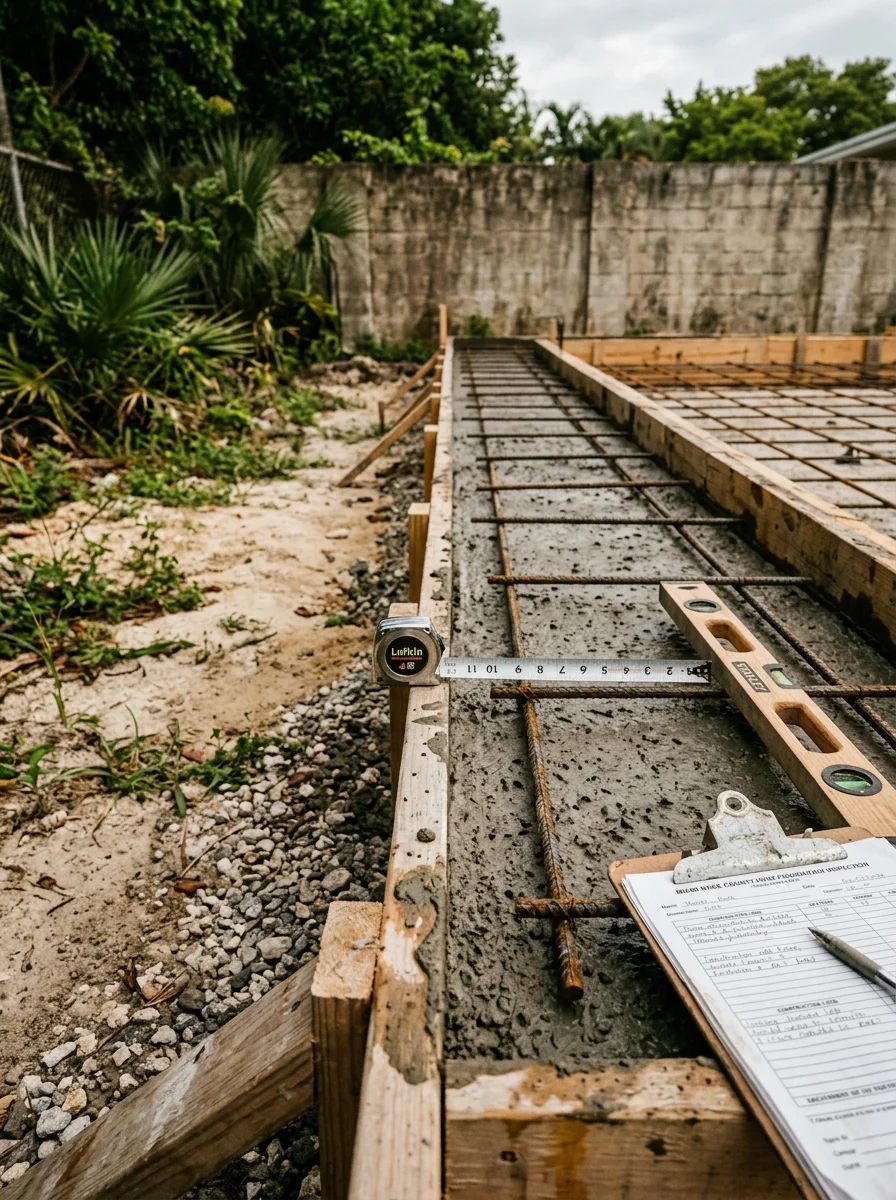
Concrete work including driveways, patios, decks, and site preparation.
Worked with us?
Leave a Review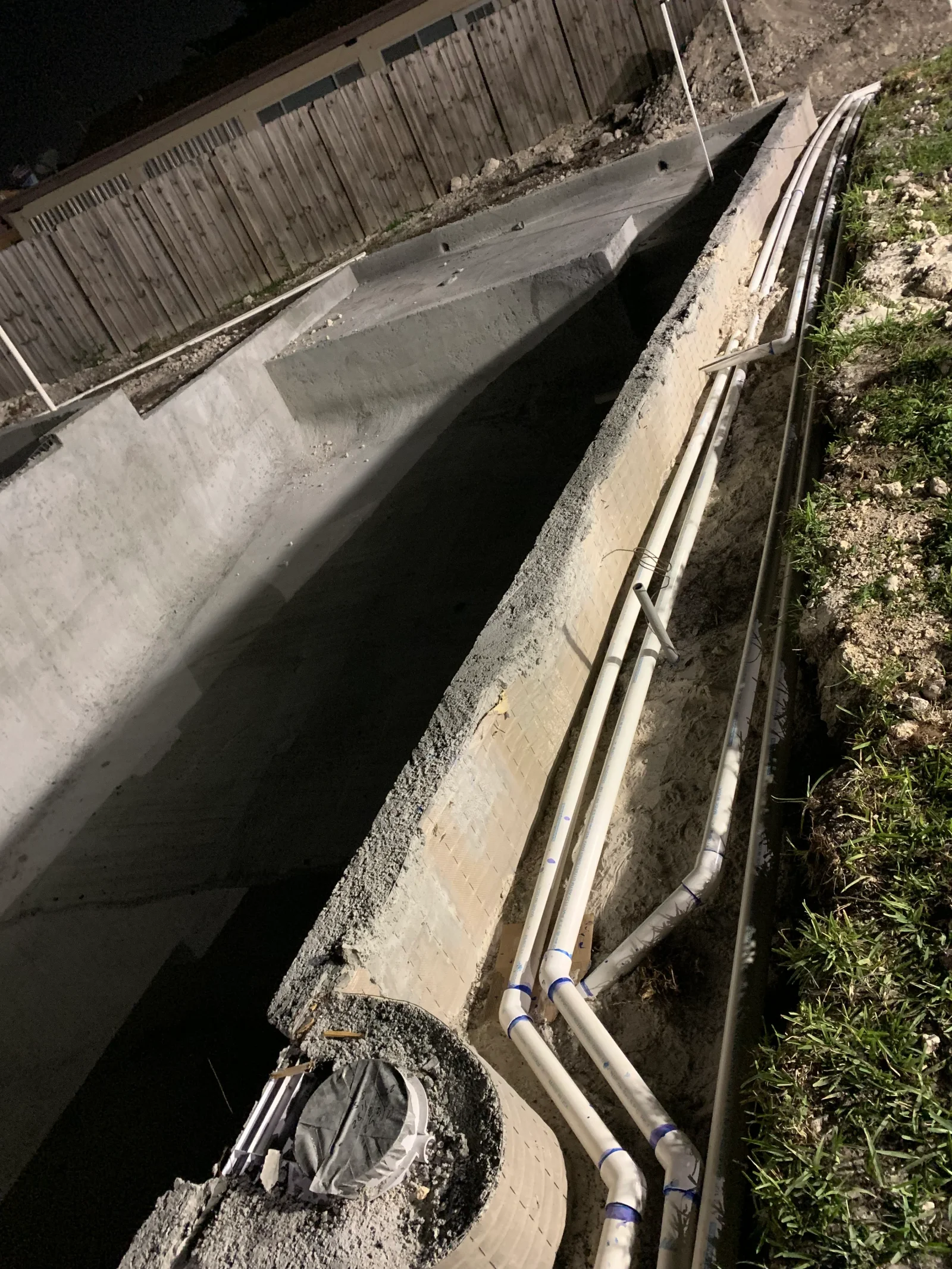 Concrete contractor
 General contractor
 General contractor
Serving Miami-Dade, FL
Our crew knows Miami-Dade, FL. We will show up on time, assess the job honestly, and give you a clear written number before asking you to decide anything.
Also serving across South Florida:
Common questions from Miami-Dade, FL customers about our services, process, and coverage.
Before a permit can even be submitted to Miami-Dade County, most condo associations require their own internal approval, which can add several weeks to the front end of a project. The board typically wants to see scope of work documents, proof of contractor licensing, and a certificate of insurance naming the building as an additional insured. Once board approval is granted, the county permit process begins separately, and plan review for a residential remodel can take two to four weeks on its own. Submitting complete, accurate documents to both the board and the county at the same time is the most effective way to keep the overall timeline moving.
Yes, we manage the full permit process for every project we build in Miami-Dade. This includes preparing and submitting construction documents through the county's ePlan portal, coordinating responses to plan review comments, and scheduling all required inspections from rough-in through final. Because we also provide engineering services, we can produce the sealed structural plans that Miami-Dade requires for additions, structural modifications, and new construction without sending you to a separate engineer.
A licensed general contractor in Florida can pull permits, manage all trades on a project, and take legal responsibility for the work meeting Florida Building Code. A remodeler typically focuses on cosmetic or interior work and may not hold the license required to pull structural, electrical, or plumbing permits. A handyman is limited by Florida law to repairs under a certain dollar threshold and cannot legally perform permitted work. For any project in Miami-Dade that involves structural changes, roofing, electrical panels, plumbing rough-in, or additions, a licensed general contractor is required.
The water table across much of Miami-Dade sits just two to four feet below the surface and rises even higher during the wet season from June through October. This means any excavation for footings, slabs, or utility work can encounter groundwater quickly, and foundation designs must account for hydrostatic pressure rather than assuming dry soil conditions. On new construction and additions, finished floor elevations need to be set above the likely high-water mark to prevent moisture intrusion. Our engineering services address these site-specific conditions before a shovel goes in the ground.
Call us directly. Real answers, no scripts.
Stop by, call, or book online — we're always nearby when you need us.
Phone
(305) 733-4927Hours